
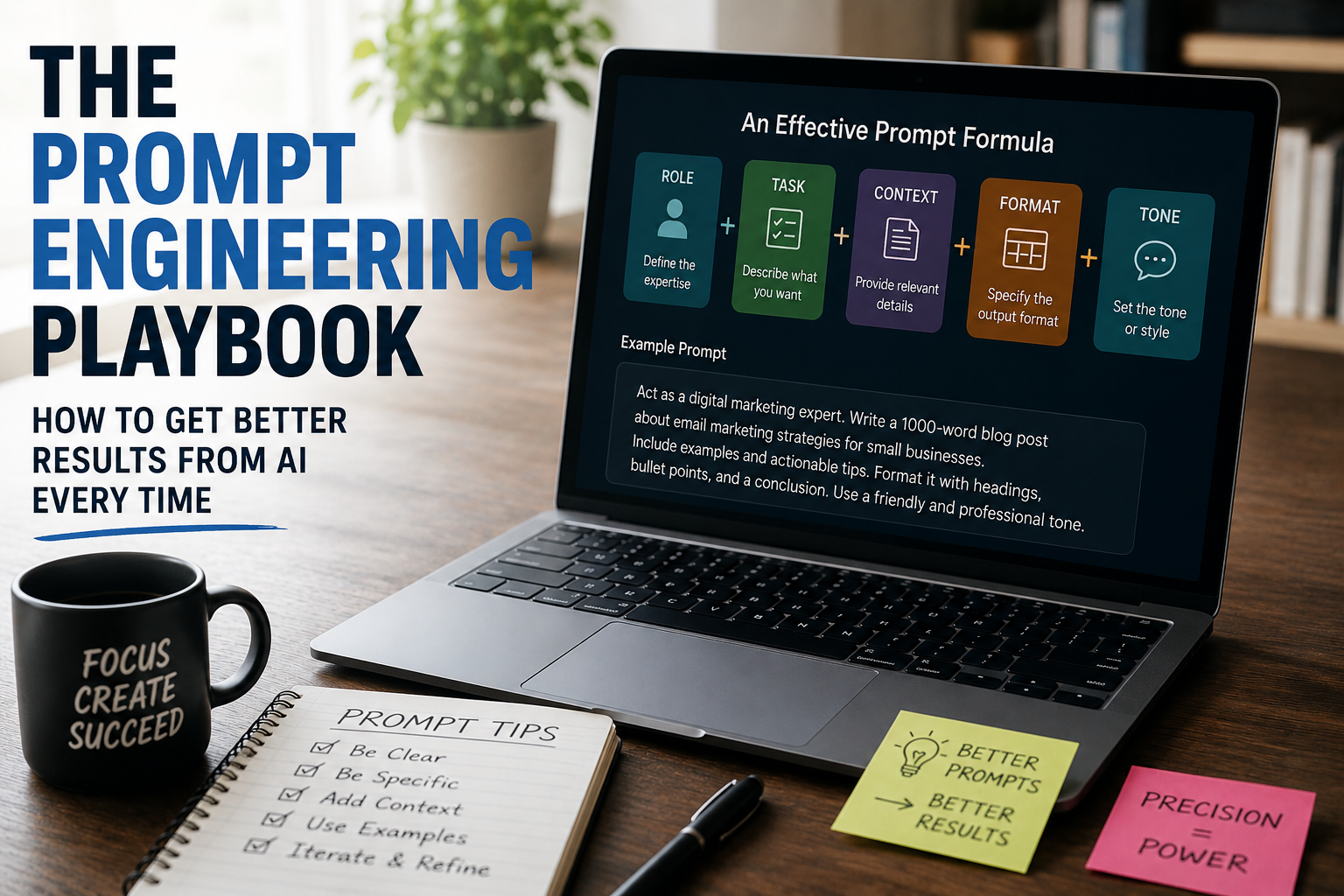
Artificial intelligence is transforming the way people create content, solve problems, and automate tasks. From writers and marketers to developers and entrepreneurs, millions of users now rely on AI tools like OpenAI ChatGPT to generate ideas, improve productivity, and streamline workflows. However, many users still struggle to get high-quality results because they do not understand one essential skill: prompt engineering. Prompt engineering is the process of crafting clear, detailed, and strategic instructions that guide AI tools toward producing more accurate and useful responses. Instead of asking vague questions and receiving generic answers, users who master prompt engineering can unlock the full potential of AI. Whether you are writing articles, creating marketing campaigns, generating code, or brainstorming business ideas, the quality of your prompts directly affects the quality of the output. Learning how to communicate effectively with AI can dramatically improve efficiency, creativity, and overall results.
One of the most important principles of prompt engineering is specificity. AI performs best when it receives detailed instructions with clear objectives. For example, instead of typing “Write a blog about marketing,” a stronger prompt would be “Write a 1000-word beginner-friendly blog post about social media marketing strategies for small businesses using a conversational tone.” This level of detail gives the AI context about the audience, tone, length, and purpose of the content. Users can further improve results by adding formatting instructions, keyword requirements, and examples. Prompt engineering also works exceptionally well when tasks are broken into smaller steps. Rather than requesting an entire project at once, users can ask AI to first create an outline, then write introductions, and later optimize content for SEO. This step-by-step approach often produces more refined and accurate results. As AI tools continue evolving, prompt engineering is quickly becoming one of the most valuable digital skills in content creation, business operations, and productivity management.
Another key strategy in prompt engineering is assigning roles and contexts to the AI. When users tell the AI to act as a specific expert, the responses often become more focused and relevant. For example, prompts like “Act as an SEO expert and optimize this article for Google rankings” or “Act as a professional copywriter and improve this sales page” can generate significantly better outcomes. Context also matters when asking AI to analyze data, summarize information, or create persuasive content. The more background information provided, the better the AI can tailor its response. Additionally, users can improve outputs by specifying tone and style preferences such as professional, conversational, persuasive, educational, or humorous. This flexibility allows AI-generated content to match brand voice and audience expectations more effectively. Prompt engineering is not just about asking questions — it is about guiding AI with precision and clarity to achieve a specific goal.
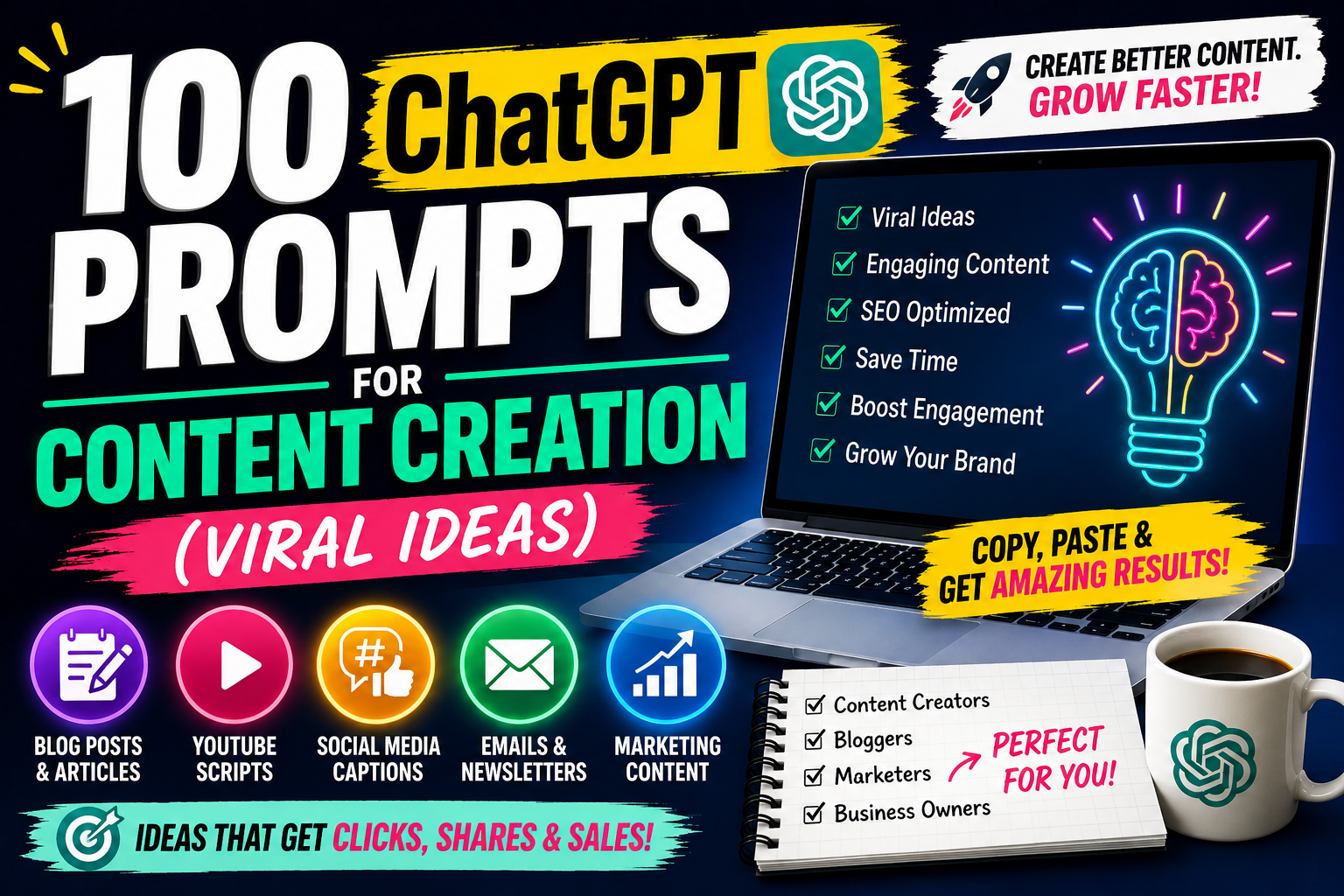
Prompt engineering also plays a major role in improving SEO performance and digital marketing results. Content creators are increasingly using AI to generate blog outlines, keyword-rich headings, meta descriptions, social media captions, and email campaigns. Effective prompts can help AI produce search-optimized content that ranks better on search engines while remaining natural and engaging for readers. For example, prompts like “Create 10 SEO-friendly headlines for an article about AI tools” or “Write a compelling meta description under 160 characters” are highly effective for content optimization. Businesses can also use prompt engineering to create customer support responses, advertising copy, product descriptions, and lead-generation content. As competition in digital marketing grows, the ability to create high-quality content quickly has become a major advantage. Companies and creators who understand prompt engineering can save time, increase productivity, and maintain consistent content quality across multiple platforms.
As artificial intelligence becomes more integrated into everyday work, prompt engineering is evolving into a critical future-proof skill. AI tools are powerful, but they still rely on human direction, creativity, and critical thinking to produce the best results. Users who know how to craft effective prompts can transform AI into a highly efficient assistant capable of generating ideas, improving workflows, and solving complex problems. The future of AI will not simply belong to those who use the technology — it will belong to those who know how to communicate with it effectively. By mastering prompt engineering techniques such as specificity, context, role assignment, and structured instructions, individuals and businesses can consistently achieve better AI outputs every time. In a world increasingly driven by automation and digital content, prompt engineering is becoming the playbook for smarter, faster, and more successful AI-powered productivity.




0 Comments